Silk Threads from a Lava Layer
Snowmelt and rain filter down through Mt. Fuji for years, then seep out of a porous lava layer in the cliff face — hundreds of fine spring-water streams across a 150m arc, about 20m high.
Best ViewpointsFujinomiya, Shizuoka · Mt. Fuji’s Southwestern Foot
A 150-meter-wide curtain of Mt. Fuji spring water seeping straight out of a porous lava layer in hundreds of white threads — with Fuji itself standing above the falls on clear days.
Japan has three famous waterfalls named Shiraito Falls. This guide covers the big one: the Mt. Fuji / Fujinomiya waterfall in Shizuoka, a component of Mt. Fuji’s World Heritage listing.
No river plunges here — the mountain itself leaks.
Snowmelt and rain filter down through Mt. Fuji for years, then seep out of a porous lava layer in the cliff face — hundreds of fine spring-water streams across a 150m arc, about 20m high.
Best ViewpointsThe thunderous ~25m companion waterfall next door — one heavy column instead of threads. It’s free, it’s on the same path, and nearly everyone almost misses it.
Find It on the MapShiraito Falls is inscribed as a component of Mt. Fuji’s World Heritage listing (2013) — recognized as part of the mountain’s sacred water landscape.
Pair It with a Fuji TourOn clear days Mt. Fuji rises directly above the falls — the shot that fills postcards. Morning light is generally your best bet, and clear-sky odds swing by season.
When to GoA customizable private day trip that lists Shiraito Falls by name — door-to-door from your Tokyo hotel.
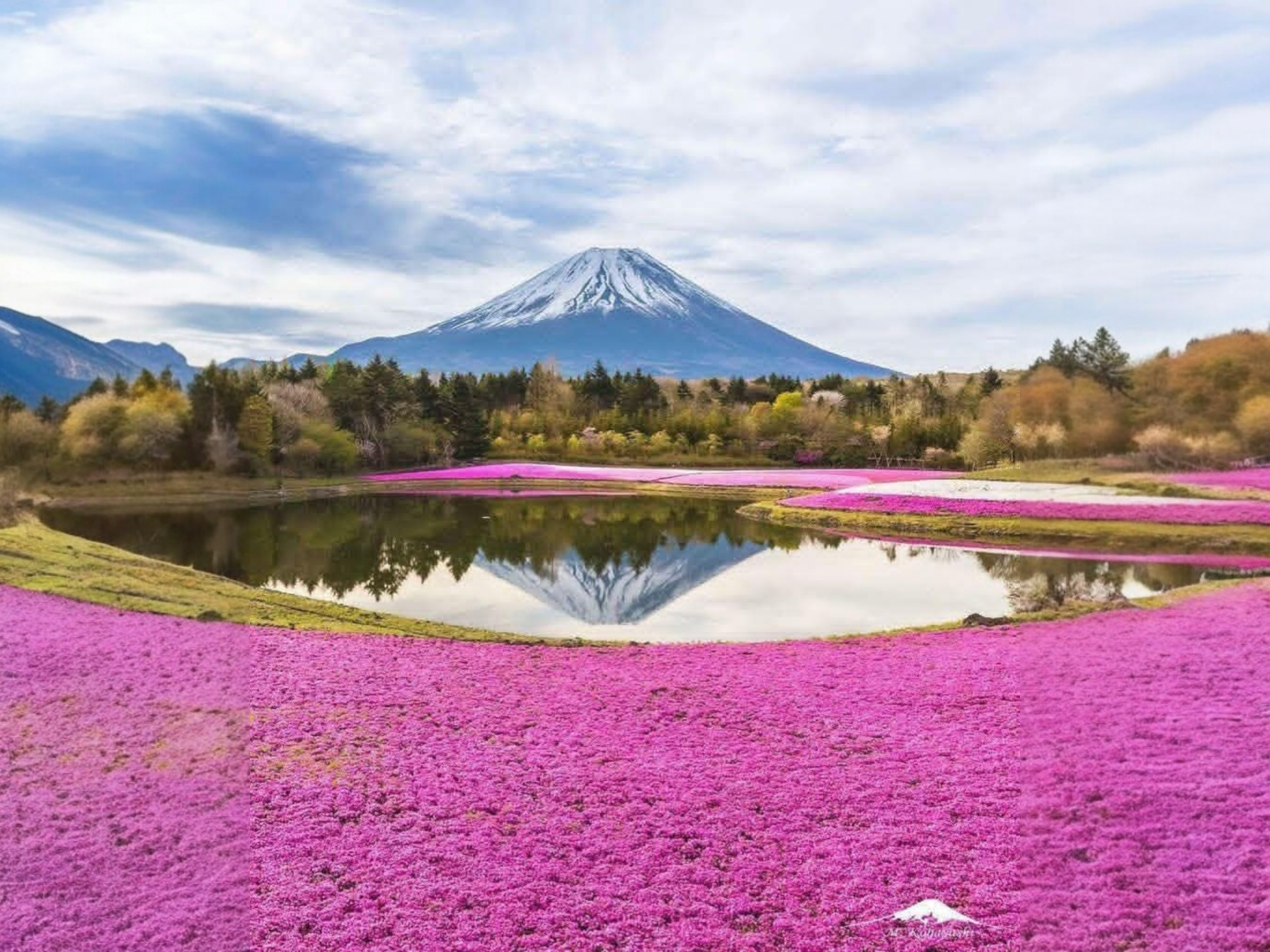
Private-group price — exact rate depends on group size
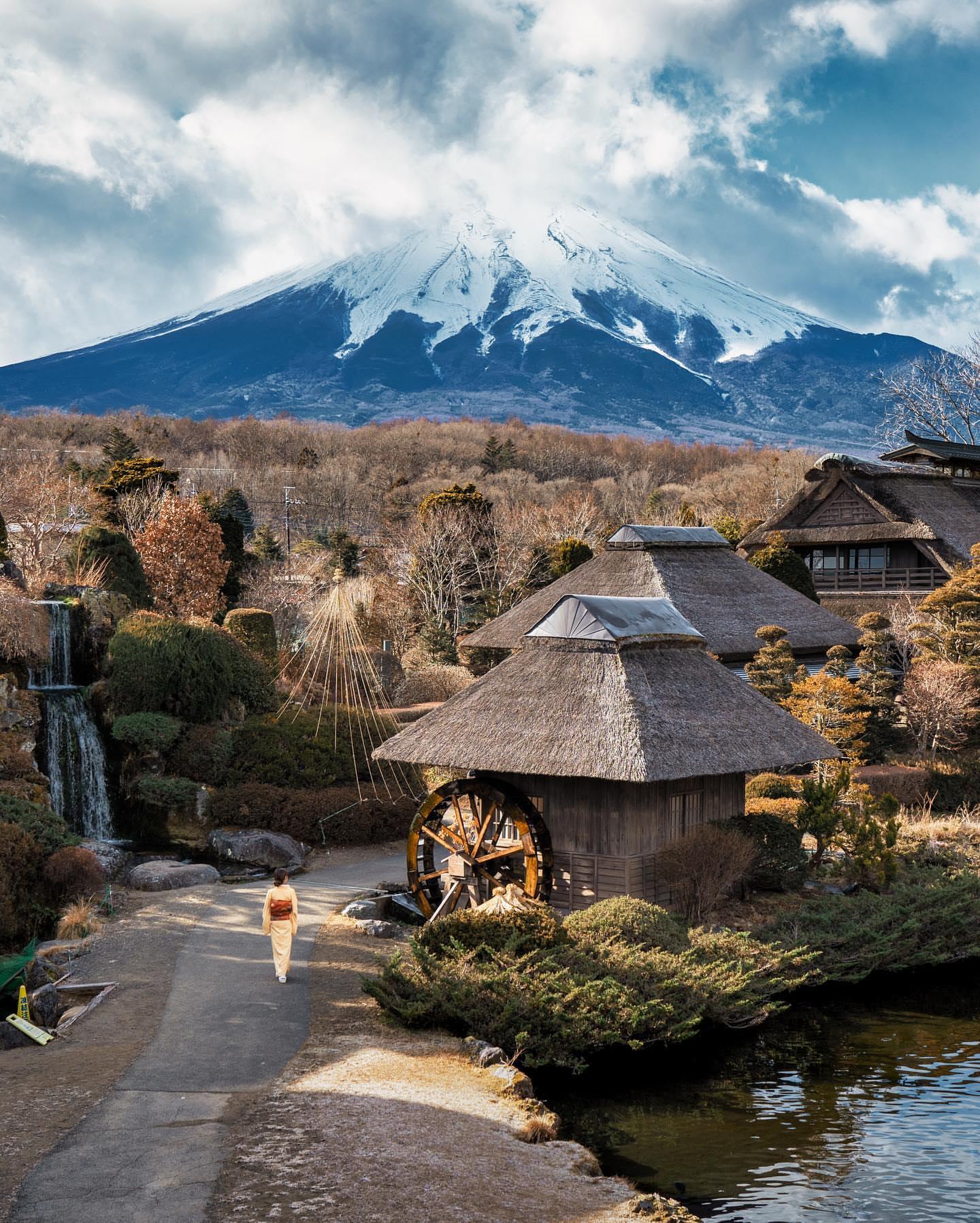
Pairs the falls with the Mt. Fuji 5th Station in one private day: English-speaking driver-guide, pick-up anywhere in Tokyo’s 23 wards, customizable route.
Check Availability
Shiraito isn’t on the standard route, but most of the big customizable private Fuji tours will add it on request — and this is the largest-review-base option to ask.
Check AvailabilityStraight talk: as of our last check, no group bus tour from Tokyo lists Shiraito Falls by name — private tours are the only bookings that guarantee it. Going on your own is cheap and simple; the getting-there guide covers trains, buses, and parking.
Four short guides that answer everything the tour pages don’t.
The best viewpoints, the Fuji-and-falls photo angle, morning light, and which platforms are step-free.
Walkways, viewpoints, parking lots, and the 2-minute path to Otodome Falls — all pinned.
Tokyo to the falls by Shinkansen or JR to Fujinomiya, the bus toward Shiraito no Taki, and driving & parking.
Month by month: water flow, foliage, crowds, and when Mt. Fuji is most likely to show itself.
Comparing waterfall day trips before you commit? See how Shiraito compares with other waterfalls near Tokyo on our sister guide.
The short, honest answers before you plan the trip.
Shiraito Falls (“white threads”) is a roughly 150m-wide, 20m-high curtain waterfall in Fujinomiya, Shizuoka. Instead of one river plunging over a cliff, hundreds of fine streams of Mt. Fuji spring water seep straight out of a porous lava layer — which is what creates the silk-thread effect. The viewing guide covers the best angles and photo spots.
Japan has three well-known waterfalls called Shiraito Falls. This site covers the one at Mt. Fuji’s southwestern foot in Fujinomiya, Shizuoka — the World Heritage component. The other two are in Karuizawa (Nagano) and Itoshima (Fukuoka). If you searched for a Mt. Fuji day trip, you are in the right place — see how to get here from Tokyo.
Yes — on clear days Mt. Fuji rises directly behind and above the waterfall, and that combined view is the iconic photo. Morning light tends to be best, and visibility varies through the year; the seasons guide covers when your odds are highest.
Most visitors spend about 45 to 90 minutes: the walk down to the basin, photos, and the 2-minute detour to Otodome Falls. Add extra time for the shops at the entrance or a slow photo session. The falls map shows how the paths and viewpoints connect.
No — the falls themselves are free to visit. The parking lots at the entrance are paid (typically a few hundred yen, varying by lot). Bus riders pay nothing at the site itself; the getting-there guide covers bus and parking details.
Partially. The upper observation deck offers step-free viewing of the falls with Mt. Fuji behind on clear days. Reaching the basin, however, means walkways with steps, so wheelchair users and strollers should plan around the upper deck view. The viewing guide notes which viewpoints are step-free.
Honest answer: it is a spectacular 45 to 90 minutes, not a full-day destination on its own. It rewards visitors who pair it with Fujinomiya’s other sights or fold it into a Mt. Fuji circuit — which is exactly how the private tours handle it.
Otodome Falls is the thunderous, roughly 25m companion waterfall a 2-minute walk from Shiraito — one powerful column instead of many threads. Legend has it the roar fell silent so the Soga brothers could plot in secret, giving it the “sound-stopping” name. It is marked on the falls map — nearly everyone almost misses it.
Book a private Mt. Fuji day trip that puts Shiraito Falls on the itinerary by name.
Book Your Private Tour